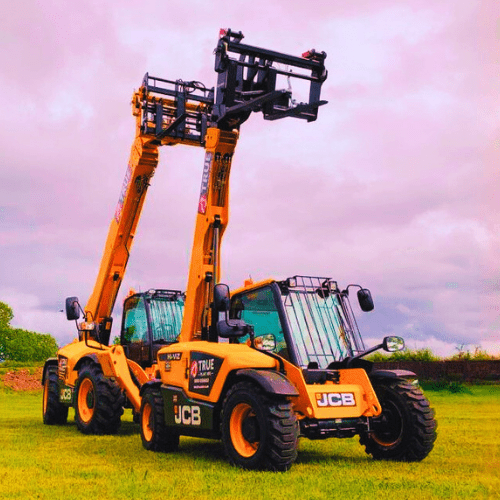


Whether you are managing a major commercial development in Leicester, overseeing a civil engineering project in Nottingham, or handling a local groundworks job in Derbyshire, utilising hired plant equipment is often the most cost-effective and efficient way to keep your project moving.
From micro excavators and heavy-duty 30-tonne dumpers to telehandlers and rollers, modern plant machinery delivers serious power. However, with that power comes a major responsibility. When you hire machinery, site safety isn’t just a legal obligation under UK health and safety laws, it is the baseline for protecting your workforce and ensuring project success.
To help you maintain an incident-free site, we have compiled the ultimate health and safety guide for operating hired plant equipment.
1. Choose the Right Partner and the Right Machine
Safety begins long before the machinery arrives on-site. The foundation of plant safety lies in choosing the correct tool for the specific job. Attempting to make a machine “do” a task it wasn’t designed for such as using an excavator to drag heavy materials or overloading a small dumper, is a primary cause of site accidents.
Partner with a Trusted Supplier: Always hire from a reputable company that provides a modern, meticulously maintained fleet. Ensure all equipment is supplied with clear user instructions and, where applicable, valid thorough examination reports (such as LOLER certificates for lifting equipment).
Assess the Ground and Space: Match the machine to your environment. Do you need a tracked machine for unstable East Midlands clay? Is a zero-tail-swing excavator required for tight urban spaces? Getting this right upfront mitigates risk immediately.
2. Prepare the Site and Segregate Traffic
A chaotic site is a dangerous site. Before delivery, you must establish a clear, documented traffic management plan to manage the interaction between heavy plant and pedestrians.
Create Exclusion Zones: Use physical barriers, cones, and high-visibility signage to separate pedestrian walkways from plant operation routes.
Check Overhead and Underground Hazards: Scan the area for overhead power lines, low structures, or uncompacted ground that could compromise machine stability.
Utilise Banksmen: When visibility is restricted, or when large machinery is reversing, always use trained, high-visibility-clad banksmen to safely guide the operator.
3. Verify Operator Competence
Never hand over the keys of a hired machine to an untrained worker. Under PUWER (Provision and Use of Work Equipment Regulations), anyone operating plant machinery must be fully trained and competent.
Check Certifications: Ensure your operators hold valid, recognized industry qualifications, such as CPCS (Construction Plant Competence Scheme) or NPORS (National Plant Operators Registration Scheme) cards specific to that piece of equipment.
Brief the Team: Even experienced operators need a site induction to understand the specific layout, speed limits, and localized hazards of your project.
4. Master the Daily Walkaround Check
Hired plant equipment arrives on your site in top-tier condition, but day-to-day site life is demanding. Operators must perform a thorough visual and physical inspection at the start of every shift.
Component to Inspect What to Look For
Tyres & Tracks Cuts, excessive wear, correct pressure, or trapped debris.
Fluids & Leaks Engine oil, fuel, and hydraulic fluid levels. Look for puddles beneath the machine.
Safety Devices Functioning reversing alarms, beacons, horns, and headlights.
Cabs & Glass Clean windscreens and mirrors for maximum visibility; clear debris from the footwells.
Safeguards Ensure physical guards, interlocks, and emergency stop buttons are intact and fully operational.
The Golden Rule: If a fault is detected during the daily check, do not operate the machine. Isolate the equipment, tag it out, and contact your hire provider immediately to arrange a professional repair. Trying to “get by” with a minor issue can lead to catastrophic failure.
5. Enforce Proper PPE and Cabin Etiquette
Safe operation requires the right personal protective equipment (PPE) and strict adherence to manufacturer instructions inside the cab.
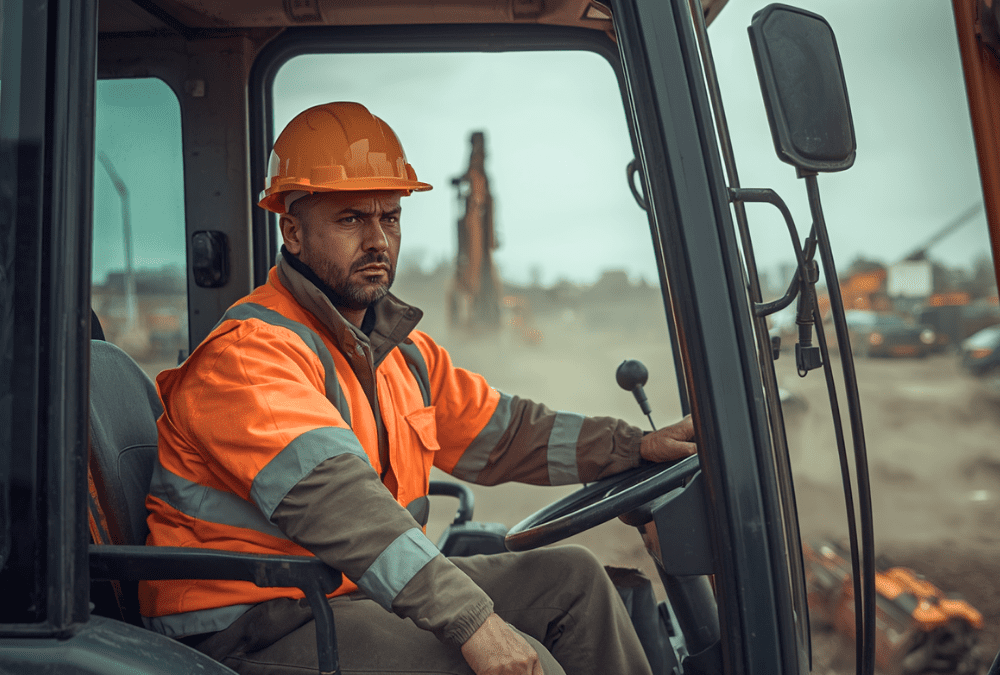
Mandatory Site PPE: Standard gear should include high-visibility vests, steel toe-capped boots, hard hats, and, where necessary, safety glasses and hearing protection.
No Loose Clothing: Loose jackets, dangling chains, or un-tied long hair can easily become entangled in moving parts or controls.
Wear the Seatbelt: It sounds obvious, but ROPS (Roll-Over Protective Structures) only protect the operator if they remain securely inside the cab during an incident.
Zero Distractions: Operating heavy plant requires undivided attention. Mobile phones should be banned entirely during operation, and other site workers should never distract an operator mid-task.
6. Implement Safe Shutdown Procedures
Safety doesn’t end when the work finishes. How a machine is left at the end of the day is just as critical as how it is driven.
Park Smart: Always park the machine on level ground, well away from excavations, slopes, or active traffic routes.
Ground All Attachments: Lower excavator buckets, dumper beds, and telehandler forks completely to the ground so they cannot drop unexpectedly.
Isolate and Secure: Apply the handbrake, turn off the engine, isolate the battery if required, and always remove the keys. Leaving keys in an unattended machine invites unauthorized use or theft.
Keep Your Project Moving Safely
At True Group, we are committed to being your full-service construction partner across the Midlands. By supplying a modern, rigorously maintained fleet alongside our comprehensive groundworks, grab hire and aggregates, sales and haulage solutions, we give you the tools you need to get the job done right.
Safety is a collaborative effort. By combining high-quality hire equipment with rigorous site protocols, qualified operators, and consistent daily checks, you protect your team and keep your project running efficiently, safely, and on schedule.
Need reliable, site-ready plant hire for your next project?
Contact the True Group team today to discuss our flexible short and long-term fleet solutions.