

Understanding the true cost of construction operations is essential for effective project planning, accurate budgeting, and long-term profitability. Whether you are managing a small groundwork job or a large-scale infrastructure development, three of the most significant cost areas you will encounter are plant hire, haulage, and aggregates.
At True Group, we support businesses across the construction, logistics, and civil engineering sectors by helping them manage asset, plant, and material costs more efficiently. This comprehensive guide breaks down the key cost drivers behind plant hire, haulage, and aggregates, explaining how your business can optimise its spend without ever compromising on site performance or reliability.
1. Understanding Plant Hire Costs
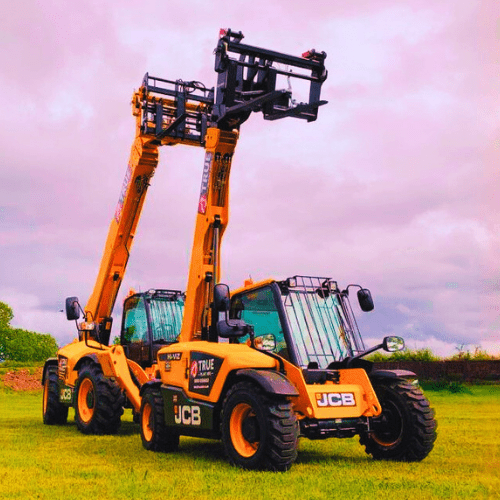
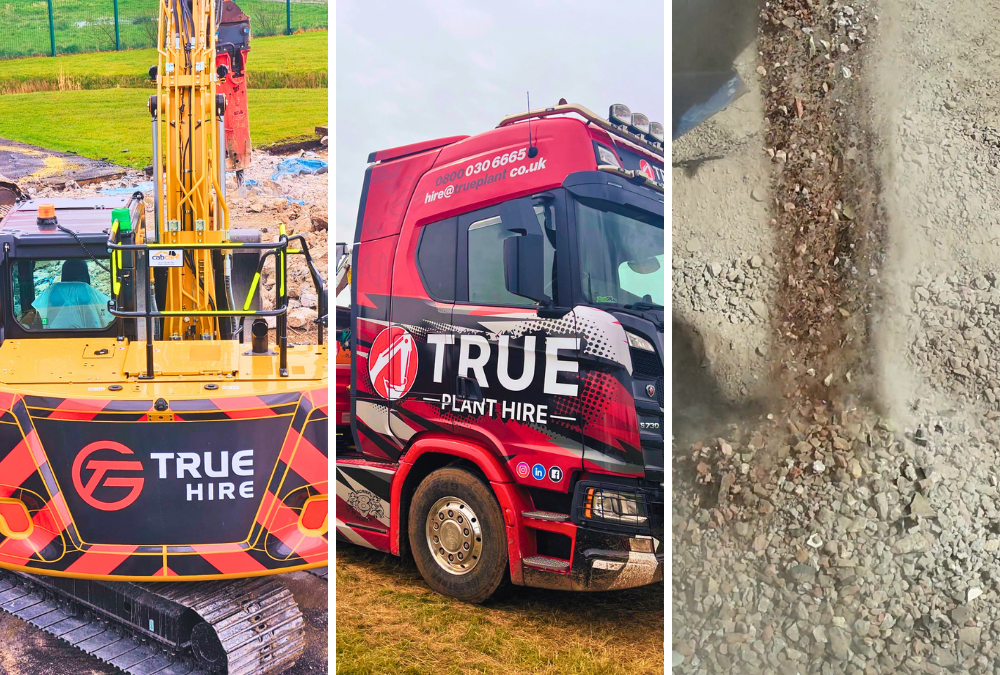
Plant hire is often one of the largest operational expenses on any construction project, covering the short- or long-term rental of heavy machinery such as excavators, dumpers, telehandlers, rollers, and other specialist equipment. Several critical variables influence the final pricing, including the specific type and size of the machine required, the total hire duration, current market demand, and local transport and delivery costs.
Additionally, fuel usage, overall machine efficiency, necessary attachments, and whether you choose self-drive or operated hire will heavily impact your bottom line. While larger or more specialised machinery naturally commands higher hire rates, committing to longer-term hire agreements almost always provides far better value on a per-day or per-week basis.
2. The Real Cost of Haulage
Haulage plays a critical role in keeping construction projects moving forward by safely transporting materials, machinery, and waste to and from your site. Haulage pricing typically depends on the total distance travelled, the physical size and weight of the load, and the specific vehicle type required, such as a tipper, grab lorry, or low loader.
Costs are also influenced by site access conditions, unexpected waiting times, loading delays, fuel price fluctuations, and scheduling urgency. Poor logistics planning can significantly increase haulage costs, particularly when multiple short journeys are required or when vehicles are left idling on-site, making efficient scheduling absolutely essential to controlling these expenses.
3. Aggregates: More Than Just Material Cost
Aggregates are a fundamental component of almost every construction project, used extensively in everything from foundations and sub-bases to drainage and landscaping. While the base unit price is certainly important, the total cost of aggregates goes far beyond the material itself.
Key cost influences include whether you choose primary, recycled, or specialist blends, alongside the total quantity required and the delivery distance from the quarry or processing yard. Grading and technical specification requirements, environmental considerations, and general supply chain availability also play major roles. Choosing the wrong specification can lead to costly structural rework, project delays, or over-ordering, which makes getting professional technical advice just as important as securing a competitive material price.
4. How These Costs Connect
In real-world project delivery, plant hire, haulage, and aggregates are deeply interconnected. For instance, heavy plant machinery is required on-site to handle and place aggregates, while specialised haulage is needed to transport both the machinery and the materials to the location in the first place.
Because of this tightly linked structure, a delay or inefficiency in just one area will inevitably cause costs to spiral across all three, meaning that an uncoordinated site setup can quickly and negatively impact your overall project budget.
5. How Businesses Can Reduce Total Project Costs
Reducing your overall project expenditure does not have to mean cutting corners on quality. In most cases, smarter upfront planning and tighter supplier coordination deliver the most substantial savings. Practical cost-saving strategies include accurately planning your plant hire durations to avoid paying for idle equipment, and consolidating your haulage loads to reduce the total number of site journeys.
It is also highly beneficial to select the correct aggregate specification the first time around, schedule your deliveries carefully to avoid site downtime, and consider longer-term hire agreements to unlock better rates. At True Group, we frequently see businesses achieve massive savings simply by improving their asset planning and aligning their hire, logistics, and material supply more effectively.
6. The Role of Commercial Vehicles and Sourcing in Cost Control
While daily plant hire and transport are treated as immediate operational expenses, structured long-term arrangements provide a strategic way to manage your overarching fleet and asset costs. Through tailored vehicle partnerships and commercial finance, businesses can comfortably spread equipment and vehicle costs over time, which drastically improves cash flow predictability and avoids large, draining upfront capital expenditures.
This approach grants regular access to newer, more fuel-efficient fleets while removing the financial risks associated with heavy maintenance and depreciation. This level of financial stability is particularly valuable for growing businesses that need to manage multiple active projects simultaneously.
7. Supporting Short-Term Operational Needs
While strategic sourcing supports your long-term planning, we recognise that many businesses still require ultimate flexibility for short-term or project-specific demands. Through the complete True Group network, incorporating our plant hire, grab services, and aggregates divisions, businesses can seamlessly access short-term plant hire, grab lorry services, haulage options, and dependable aggregate supply and delivery.
This fully integrated approach ensures that you can rapidly scale your resources up or down depending on your immediate workload, providing an ideal safety net for temporary, seasonal, or emergency site support.
8. Why Working with Integrated Providers Matters
One of the single most effective ways to keep project costs under control is to partner with a single, reliable group that truly understands how plant, haulage, and materials interact on the ground. By working with an integrated provider like True Group, you eliminate costly communication delays, scheduling conflicts, transport inefficiencies, and supply chain fragmentation. The end result is a much smoother project delivery process with highly predictable, manageable costs from day one.
If you are looking to improve cost efficiency across your fleet, plant, or logistics operations, our experienced team is here to guide you. Get in touch with True Group today to discuss how our integrated plant, haulage, and aggregate solutions can support your ongoing business growth.