

If you’ve ever worked in construction, infrastructure, or groundworks, you’ll have heard the term plant hire. But what does it actually mean, and why is it called that?
At True Group, we believe that understanding the industry is just as important as operating within it. In this guide, we break down the meaning of plant hire, where the term comes from, and why this sector has become a cornerstone of modern construction.
What Is Meant by Plant Hire?
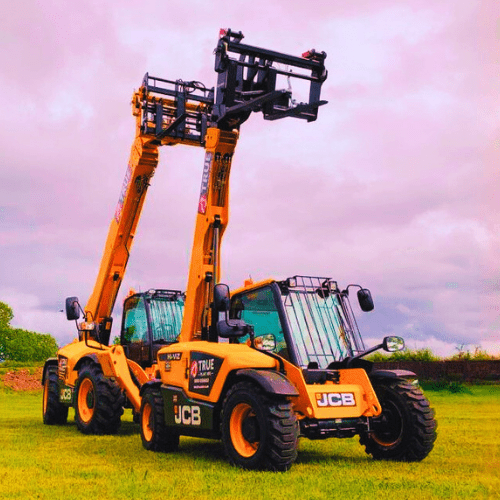
In short, plant hire refers to renting the machinery, equipment, and tools used in construction, civil engineering, and industrial projects. This can include everything from excavators, diggers, dumpers, and rollers, to telehandlers, lifting equipment, generators, compressors, and specialist machinery.
Rather than purchasing expensive equipment outright, businesses hire the machinery they need for a specific project or timeframe. This approach offers several distinct advantages: Lower upfront costs and improved cash flow. The flexibility to scale equipment up or down based on project needs. Instant access to modern, well-maintained machinery. A significantly reduced maintenance and compliance burden.
In simple terms, plant hire allows businesses to focus on project delivery, not asset ownership.
Why Do They Call It “Plant” Hire?
The word “plant” often causes confusion, especially for those new to the industry. In this context, we aren’t talking about greenery. Instead, it’s an industrial term dating back to the early days of engineering and manufacturing.
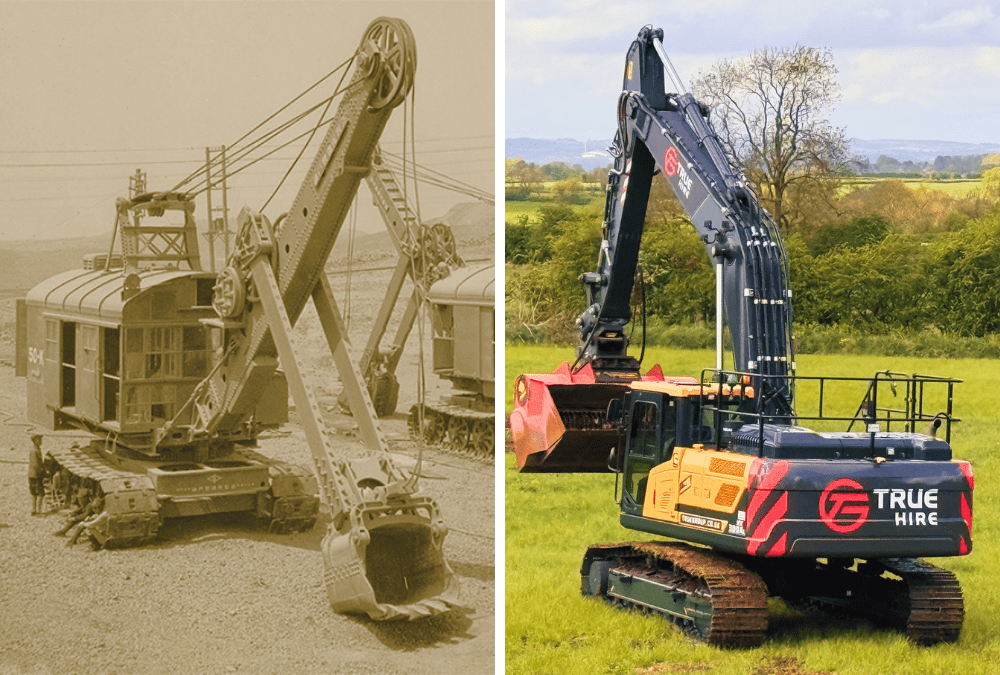
Historically, “plant” referred to the fixed machinery, equipment, and apparatus required to carry out industrial operations, essentially, the physical components “planted” or established to do a job. So, when we say plant hire, we are quite literally talking about hiring the equipment needed to run an operation. The terminology stuck, becoming standard across construction, engineering, and heavy industry worldwide.
Where Did Equipment Hire Begin?
The roots of plant hire can be traced back to the early 20th century. Construction firms began recognizing a persistent challenge: owning heavy machinery was expensive, inflexible, and often inefficient during downtime.
As projects grew more complex and specialized, companies started sharing or renting equipment instead of buying it outright, giving rise to the first equipment rental businesses. By the post-war construction boom, plant hire had firmly established itself as a vital service, supporting large-scale infrastructure, housing developments, and rapid industrial expansion. Today, it’s no longer just an alternative to ownership, it is often the preferred business model.
How Big Is the Plant Hire Industry?
The plant hire sector is no small niche; it is a major engine of the UK economy.
The UK Market: The UK plant hire market is expected to reach £3.56 billion in 2026, representing a growth of nearly 24% since 2020. Broader equipment rental estimates suggest a market of over £4 billion, with long-term forecasts reaching £7 billion by 2035.
The European Picture: Across Europe, the rental market is worth nearly €30 billion, with the UK leading as one of the largest and most mature markets.
While construction still drives around two-thirds of this demand, other sectors, including infrastructure, logistics, and energy, are rapidly increasing their reliance on flexible hire solutions.
Why Plant Hire Is Growing So Fast
The rapid rise of plant hire isn’t accidental. It is being driven by real-world operational pressures and commercial opportunities:
Financial Agility: Hiring eliminates the need for massive capital investments, freeing up cash flow for core business operations.
Operational Flexibility: Companies can scale their fleet up or down depending on fast-moving project demands.
Access to Innovation: With tightening emissions regulations and rapid technological advances, hiring gives companies instant access to the latest, most efficient machinery without the risk of obsolescence.
Hassle-Free Compliance: Maintenance, safety servicing, and regulatory compliance are typically managed by the hire provider, drastically reducing operational risk for the contractor.
The Green Transition: As the shift toward low-emission and electric machinery accelerates, hiring allows companies to stay compliant without constant, heavy reinvestment.
The Future of Plant Hire
The outlook for the plant hire industry is strong and stable. With billions of pounds committed to UK infrastructure across transport, energy, utilities, and housing, the demand for flexible equipment solutions is only set to rise.
Long-term growth projections suggest a steady expansion of 4–5% annually. Moving forward, the industry will be defined by the increased adoption of digital tracking, telematics, and AI-driven fleet management, alongside a major shift toward sustainable, net-zero equipment. Ultimately, plant hire is evolving from a simple cost-saving option into a core strategic business decision.
Why It Matters for Your Business
Whether you’re a contractor, developer, or project manager, plant hire is no longer just about getting a machine on-site. It’s about delivering projects efficiently, staying ahead of environmental regulations, adapting quickly to supply chain changes, and protecting your bottom line.
At True Group, we see plant hire as more than just a transactional service, it’s a strategic partnership that supports your productivity, reliability, and long-term success.