

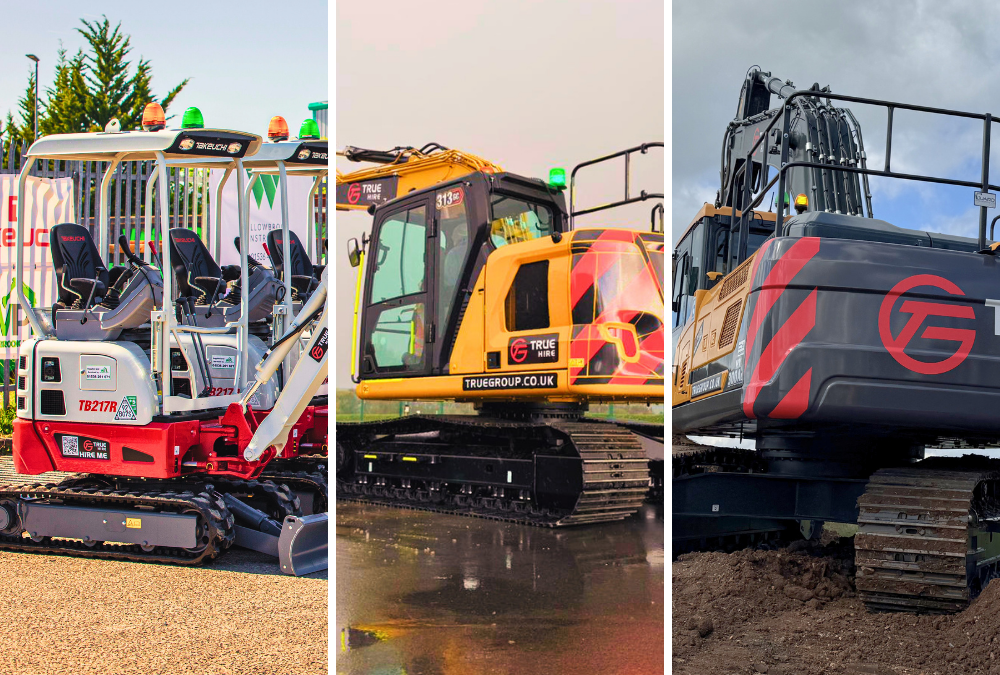
Choosing the right excavator isn’t always straightforward. On paper, it might seem like a simple case of picking a machine and getting on with the job, but in reality, the size you go for can have a big impact on how smoothly your project runs, how much it costs, and how efficiently the work gets done.
At True Hire, this is one of the most common questions we hear from site managers, contractors, and homeowners alike: what size excavator do I actually need? The answer depends on a few key factors, but once you understand the basics, it becomes much easier to make the right call.
WHY GETTING THE RIGHT SIZE MATTERS
It’s worth getting this decision right from the start. An excavator that’s too small can slow everything down, struggle with the workload, and end up costing more in time than it saves in hire. On the other hand, going too big can create access issues, increase costs unnecessarily, and make manoeuvring on tight sites more difficult than it needs to be.
In short, the right machine keeps your project moving efficiently, safely, and cost-effectively.
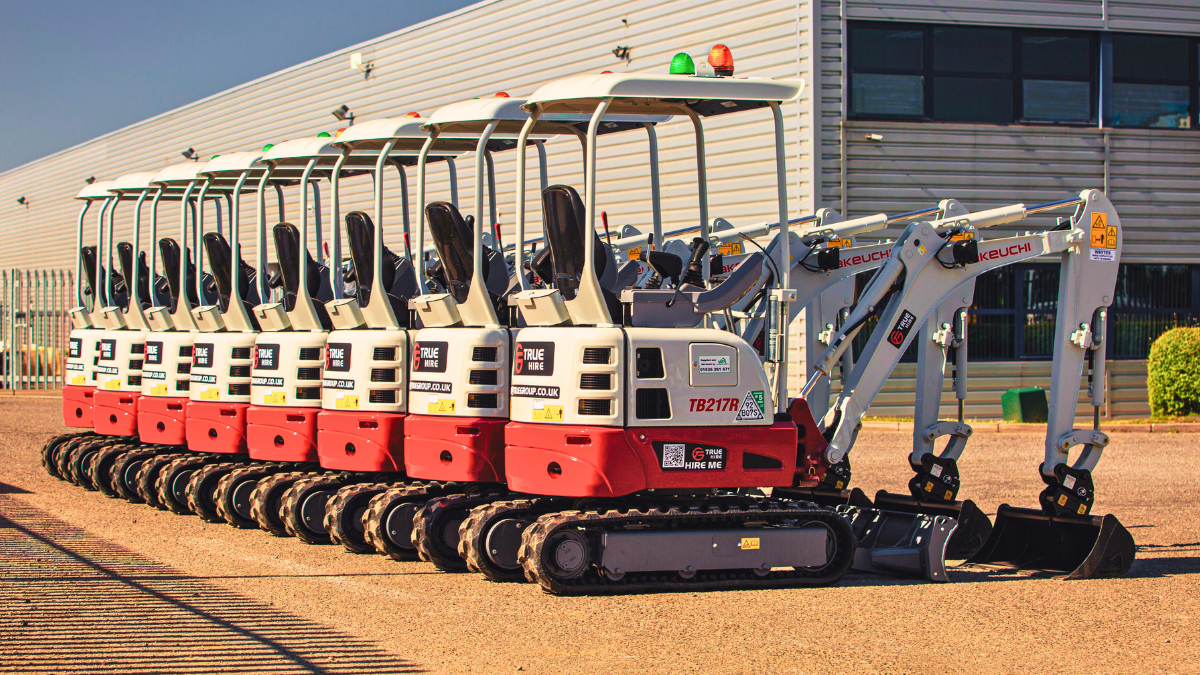
MINI EXCAVATORS (0.8 – 3 ton)
Mini excavators are the go-to choice when space is tight or the job is relatively small. They’re compact, easy to transport, and can squeeze into areas where larger machines simply can’t go.
They’re commonly used for things like garden landscaping, small drainage work, fencing, footings, and general residential projects. If you’re working in a back garden or a confined domestic space, a mini digger is usually the most practical option.
MIDI EXCAVATORS (3 – 10 ton)
Stepping up in size, midi excavators offer a really useful balance between power and versatility. They’re still compact enough for many urban sites, but with noticeably more digging depth and lifting capability than a mini.
These machines are often used on house extensions, driveways, utility work, and small to medium construction projects. If a mini feels a bit too limited but a full-size machine is overkill, a midi is often the sweet spot.
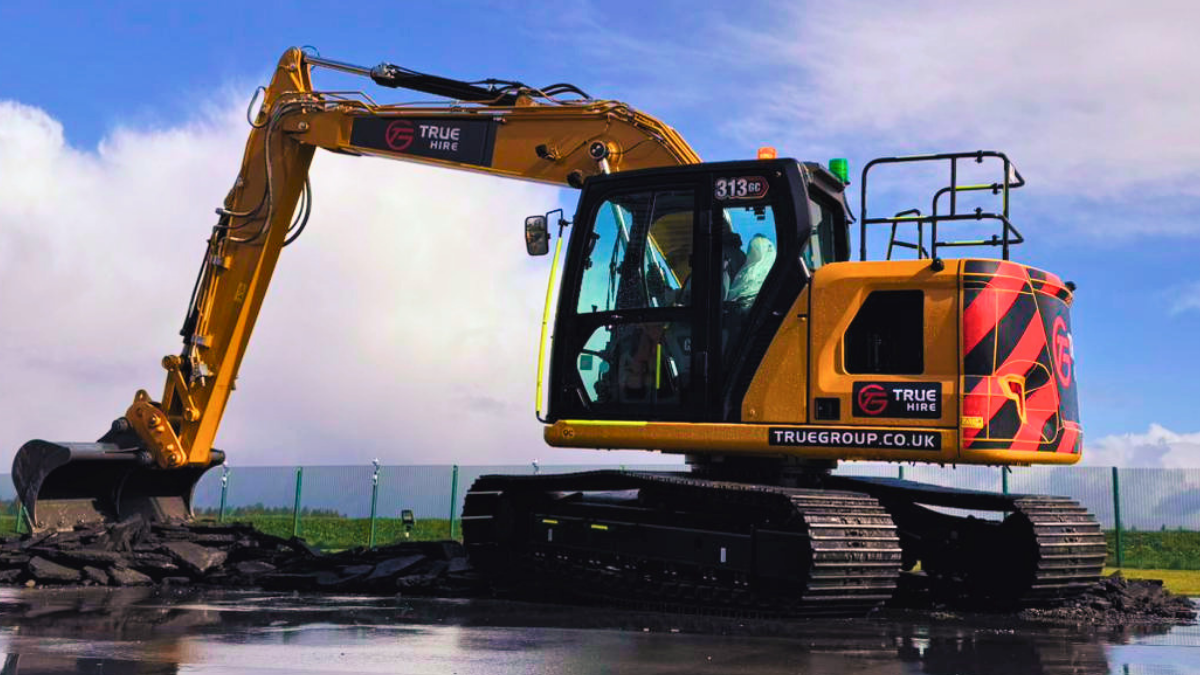
STANDARD EXCAVATORS (10 – 22 ton)
This is the range you’ll see most often on commercial construction sites. Standard excavators are the workhorses of the industry, powerful, reliable, and capable of handling a wide range of groundwork tasks.
They’re typically used for bulk excavation, site preparation, roadworks, and larger foundation jobs. If your project involves moving a significant amount of material or working on a larger build, this is usually where you’ll be looking.
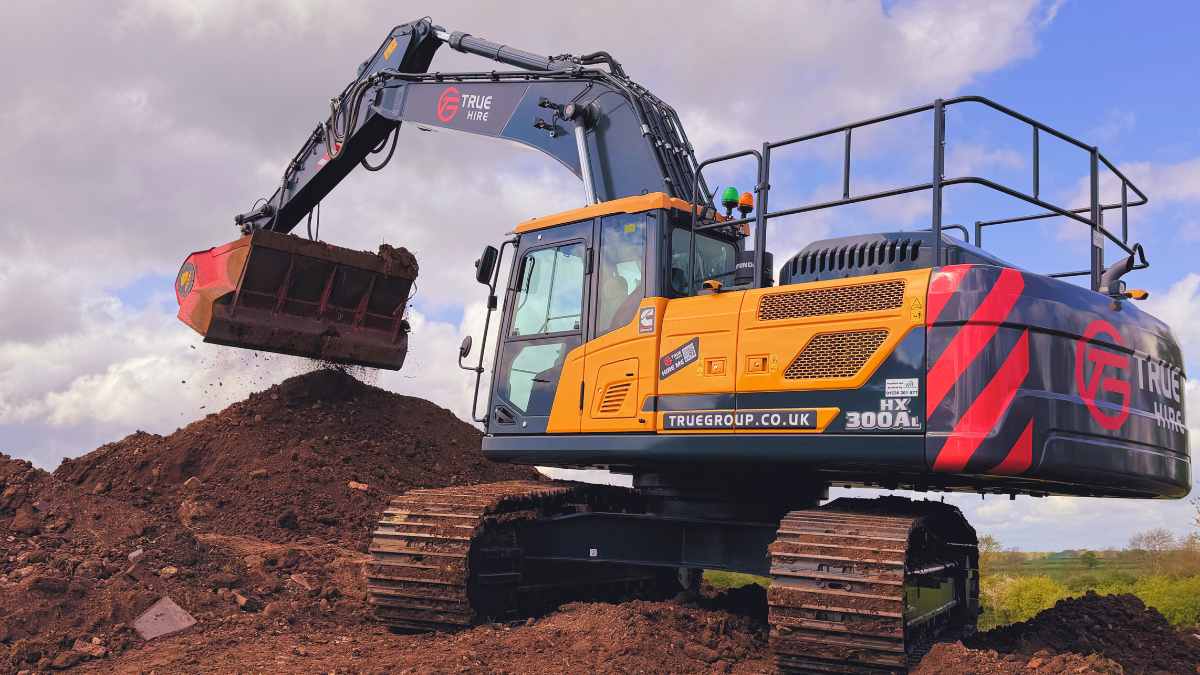
LARGE EXCAVATORS (22+ ton)
When the job gets serious, large excavators come into play. These machines are built for heavy-duty work where power and productivity are essential.
You’ll see them used in major demolition, infrastructure projects, quarrying, and large-scale earthmoving. They’re not designed for tight spaces, but when there’s plenty of room and a lot of material to move, nothing else comes close in terms of output.
What you should think about before choosing
Size is important, but it’s not the only thing that matters. A few practical considerations can make a big difference when deciding:
Access is often the first thing to check. Even the best machine won’t help if it can’t physically get onto site. Ground conditions matter too, soft, uneven, or restricted areas can all influence what’s suitable.
You’ll also want to think about digging depth, the type of material you’re working with, how long the machine will be on hire, and whether you’ll need attachments like breakers or augers.
COMMON MISTAKES WE SEE ON SITE
A lot of issues come from choosing based on guesswork rather than the actual requirements of the job. One of the most common mistakes is going too small to save money, only to lose time once the work starts.
Another is not properly checking access before booking the machine, which can lead to delays or last-minute changes. It’s also easy to overlook how ground conditions or attachments can affect performance.
A bit of planning upfront usually avoids all of this.
FINAL WORD
Every project is different, and there’s no one-size-fits-all answer. The right excavator is the one that matches your site, your workload, and your timeline, not just what happens to be available.
If you’re unsure, it’s always worth speaking to someone who deals with this every day. At True Hire, we help customers match the right machine to the job so they can get on with the work without unnecessary delays or costs.
If you need advice or want to check what size excavator is best for your next project, we’re here to help.